2026 AI Compliance Guide: Navigating the UK's New Regulatory Framework
2026 AI Compliance Guide: Navigating the UK's New Regulatory Framework
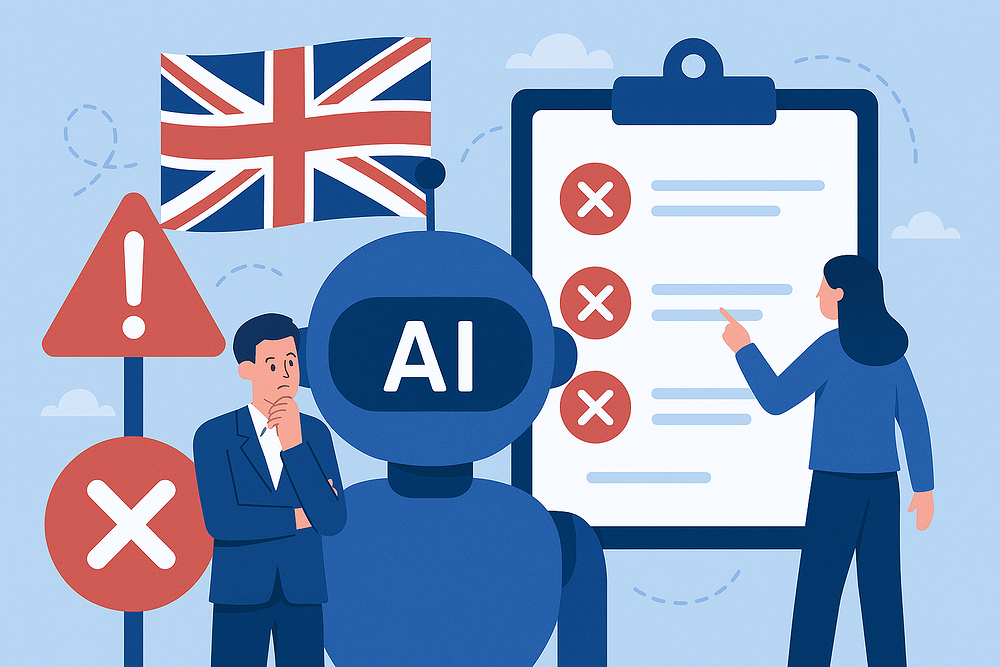
The artificial intelligence landscape has evolved dramatically over the past few years, bringing both unprecedented opportunities and complex regulatory challenges. As we move through 2026, UK businesses face a more mature but increasingly stringent regulatory environment for AI systems. This comprehensive guide explores the current UK AI regulatory framework and provides practical advice for ensuring compliance while maximising the benefits of AI integration.
Understanding the 2026 UK AI Regulatory Landscape
The UK's approach to AI regulation has developed significantly since the initial AI Act framework was introduced. Today's regulatory environment represents a balanced approach that aims to foster innovation while protecting individuals and society from potential harms.
Key Regulatory Components in 2026
The current UK AI regulatory framework comprises several interconnected elements:
- The UK AI Safety Act (2024) - Now fully implemented with enforcement mechanisms active since January 2026
- Sector-specific AI regulations - Covering healthcare, financial services, and critical infrastructure
- Data protection regulations - The enhanced UK GDPR and Data Protection Act provisions specific to AI
- Algorithmic impact assessment requirements - Mandatory for high-risk AI applications
- AI transparency and explainability standards - Technical requirements for AI documentation
This multi-layered approach means businesses must navigate various regulatory requirements depending on their sector and specific AI applications.
Risk Classification Under the Current Framework
The UK's risk-based approach to AI regulation categorises AI systems based on their potential impact. Understanding where your AI applications fall within this classification is essential for compliance:
Minimal Risk Applications
Basic AI tools with limited potential for harm face minimal regulatory requirements. These typically include:
- Simple automation tools
- Basic recommendation systems
- Business analytics applications
For these applications, compliance generally involves maintaining documentation of system functionality and ensuring data protection compliance.
Limited Risk Applications
AI systems with moderate potential impact require additional transparency measures:
- Customer-facing chatbots
- Content moderation systems
- Productivity enhancement tools
These applications must meet transparency requirements, including clear disclosure of AI use to end-users and basic explainability measures.
High-Risk Applications
Systems with significant potential impact on individuals or society face the most stringent requirements:
- AI for hiring and employment decisions
- Credit scoring and financial assessment systems
- Healthcare diagnostic tools
- Public service eligibility systems
High-risk applications require comprehensive compliance measures including algorithmic impact assessments, human oversight mechanisms, and regular auditing.
Prohibited AI Applications
Certain AI applications remain prohibited under current UK law:
- Social scoring systems
- Manipulative AI designed to exploit vulnerabilities
- Biometric categorisation systems using sensitive characteristics
- Unconstrained real-time biometric identification in public spaces
Key Compliance Requirements for 2026
Regardless of risk classification, several core compliance elements apply to most AI implementations:
Documentation and Record-Keeping
Comprehensive documentation is now mandatory for all but the most basic AI systems. This includes:
- System architecture documentation
- Training data sources and processing methods
- Testing methodologies and results
- Risk assessment documentation
- Deployment and monitoring procedures
The documentation requirements scale with the risk level of the application, with high-risk systems requiring significantly more detailed records.
Transparency and Explainability
The 2025 amendments to the AI Safety Act strengthened requirements for AI transparency:
- Clear disclosure when AI is being used
- Explanation of how decisions are made (appropriate to the context)
- Information on data usage and processing
- Documentation of limitations and potential risks
For business applications, this often means implementing explainable AI methodologies and creating clear communication materials for users and stakeholders.
Human Oversight Requirements
Human oversight provisions are now mandatory for medium and high-risk applications:
- Defined processes for human review of AI decisions
- Clear accountability structures
- Training for staff involved in AI oversight
- Mechanisms to override or correct AI decisions
Effective implementation requires both technical solutions and organisational processes to ensure meaningful human control.
Ongoing Monitoring and Risk Management
Continuous monitoring is essential under the current framework:
- Regular performance assessments
- Monitoring for drift or unexpected behaviours
- Incident reporting procedures
- Update and maintenance protocols
The UK AI Office now requires quarterly monitoring reports for high-risk systems, with potential audits for systems showing concerning patterns.
Practical Steps for Compliance in 2026
Conduct a Comprehensive AI Inventory
The first step towards compliance is understanding your organisation's AI footprint:
- Identify all AI systems in use or development
- Classify each system according to risk categories
- Document data sources and processing activities
- Map dependencies and integrations
This inventory serves as the foundation for your compliance strategy and helps identify priority areas.
Implement a Compliance Framework
Establishing a structured approach to AI compliance is essential:
- Designate AI compliance responsibilities
- Create standardised documentation templates
- Develop testing and validation procedures
- Establish risk assessment methodologies
- Create monitoring and reporting processes
For many organisations, integrating AI compliance into existing governance structures proves most effective.
Staff Training and Awareness
The human element remains crucial for effective compliance:
- Technical training for development and operations teams
- Compliance awareness for management and decision-makers
- User training for those working with AI systems
- Ethics and responsibility education
With the UK AI Office now conducting spot checks on organisational readiness, demonstrable staff competence is increasingly important.
Looking Ahead: The Evolving Compliance Landscape
The UK AI regulatory environment continues to evolve, with several developments on the horizon:
- The anticipated AI Harmonisation Framework expected later in 2026
- Sector-specific guidance updates scheduled for Q3 2026
- Potential new requirements for frontier AI models following the March 2026 consultation
- International alignment initiatives with major trading partners
Organisations should maintain awareness of these developments and prepare for potential adjustments to compliance requirements.
Conclusion: Balancing Compliance and Innovation
As we navigate the 2026 AI regulatory landscape, the most successful organisations will be those that view compliance not as a burden but as an enabler of responsible innovation. By implementing robust compliance frameworks, businesses can build trust with customers and stakeholders while reducing regulatory risks.
The current regulatory framework, while comprehensive, aims to be proportionate and risk-based. By understanding the requirements relevant to your specific AI applications and implementing appropriate measures, your organisation can confidently leverage AI technologies while remaining on the right side of regulatory expectations.
At AppCoder, we specialise in helping businesses navigate the complex intersection of AI innovation and regulatory compliance. Our expertise can help you implement AI solutions that are both powerful and compliant with the current UK regulatory framework.
This article was last updated on 7 February 2026 and reflects the current regulatory landscape. As regulations continue to evolve, we recommend consulting with specialists for advice tailored to your specific circumstances.
Talk to us about your next project
Our team of experts is ready to help bring your ideas to life with solutions tailored to your business.
Get in Touch